
Understanding the Yorkie Temperament
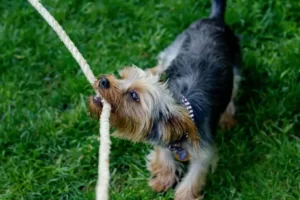
Yorkshire Terriers may be tiny in size, but they carry a big personality. They are curious, energetic, and often fearless, which can make training both fun and challenging. Knowing your Yorkie’s temperament is the first step to building a successful training routine.
Because Yorkies are so intelligent, they learn quickly, but they also have a stubborn streak. This means they may test your patience at times, refusing to listen or doing the opposite of what you ask. Consistency and patience are the key ingredients that help you overcome these moments.
When I first started training Bonnie, my Yorkie, I realized how important it was to balance firmness with love. She responded best when I guided her with gentle authority and plenty of praise. Over time, that combination built trust and made training sessions enjoyable for both of us.
The Importance of Early Socialization
Socialization shapes how your Yorkie interacts with the world. The earlier you introduce your puppy to different people, places, and experiences, the better equipped they will be to handle new situations with confidence.
Yorkies can sometimes become overly protective or yappy if they aren’t socialized properly. This is because they feel uncertain or nervous in unfamiliar settings. Taking your puppy on short, positive outings helps them learn that new environments are safe and fun.
When Bonnie was a puppy, I introduced her to neighbors, other dogs, and even the mail carrier. At first, she barked at everyone. But with treats, reassurance, and repeated exposure, she grew more relaxed. Now she greets new people with curiosity instead of fear.

Crate Training for Comfort and Security
Crate training is one of the most effective tools for housebreaking and creating a safe space for your Yorkie. A crate should never be seen as punishment but as a cozy den where your puppy can relax.
When you first introduce the crate, make it inviting by placing soft bedding and a few toys inside. Encourage your puppy to explore it on their own. Never force them in; instead, reward them when they choose to go inside. This helps build a positive association.
With Bonnie, I learned that short, frequent crate sessions worked best in the beginning. Gradually, she started going into her crate willingly whenever she needed a nap. Today, it’s her little sanctuary where she feels safe and secure.

Potty Training with Patience
Potty training is often the biggest challenge for Yorkie owners. Due to their small size, Yorkies have tiny bladders and need to relieve themselves more frequently than larger dogs. Creating a schedule is essential to avoid accidents.
Take your Yorkie out first thing in the morning, after meals, after playtime, and before bedtime. Use the same spot each time, as the scent will help them remember what to do. Praise and reward them immediately when they succeed—timing is everything.
Bonnie had her share of accidents in the early months, but I learned not to scold her. Instead, I focused on reinforcing the times she got it right. Over time, consistency paid off, and she became reliable with her potty routine.
Basic Commands Every Yorkie Should Know
Teaching basic commands is essential for both safety and good manners. “Sit,” “Stay,” “Come,” and “Down” are the foundation of obedience training. These commands give you control in different situations, whether you’re at home or outside.
Start with “Sit.” Hold a treat above your Yorkie’s head, and as they naturally lower their body, say the command and reward them. Once they master that, move on to “Stay” by having them remain in position for a few seconds before rewarding.
I worked on these commands with Bonnie daily for just a few minutes at a time. She caught on quickly because the sessions were short, fun, and rewarding. Consistency and repetition were the keys to her success.

Tackling Excessive Barking
Yorkies are famous for their bold voices. While barking is normal, excessive barking can become a problem. Addressing this behavior early prevents it from becoming a lifelong habit.
The first step is identifying why your Yorkie is barking. It could be boredom, fear, or simply seeking attention. Once you know the trigger, you can address it directly. For example, providing more playtime often reduces boredom barking.
With Bonnie, I used the “quiet” command combined with redirection. Whenever she barked unnecessarily, I calmly said “quiet,” waited for a pause, and then rewarded her. Over time, she began to associate silence with positive reinforcement.

Leash Training for Safe Walks
Leash training is essential, especially since Yorkies have a tendency to dart after birds, squirrels, or even passing cars. A harness works better than a collar because it protects their delicate necks.
Start leash training indoors where there are fewer distractions. Attach the leash and let your puppy walk around with it, rewarding calm behavior. Gradually move to short outdoor walks, keeping sessions positive and stress-free.
Bonnie used to pull ahead constantly, but I learned to stop walking whenever she pulled. She quickly figured out that pulling didn’t get her anywhere. Now, she walks calmly at my side, and our outings are much more enjoyable.

The Role of Positive Reinforcement
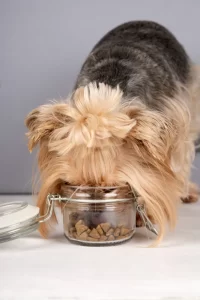
Positive reinforcement is the golden rule of Yorkie training. Rewarding good behavior with treats, praise, or play encourages your puppy to repeat that behavior. Negative methods like yelling or punishment only create fear and confusion.
Timing is everything. Rewards must be given immediately after the desired behavior so your Yorkie makes the connection. Even a delay of a few seconds can cause confusion.
With Bonnie, I keep training treats in my pocket throughout the day. That way, I can instantly reward her when she listens to a command or behaves well. This constant reinforcement strengthens her learning.
Addressing Separation Anxiety
Many Yorkies become very attached to their owners, which can lead to separation anxiety. If left unaddressed, this can result in destructive behaviors like chewing or constant barking.
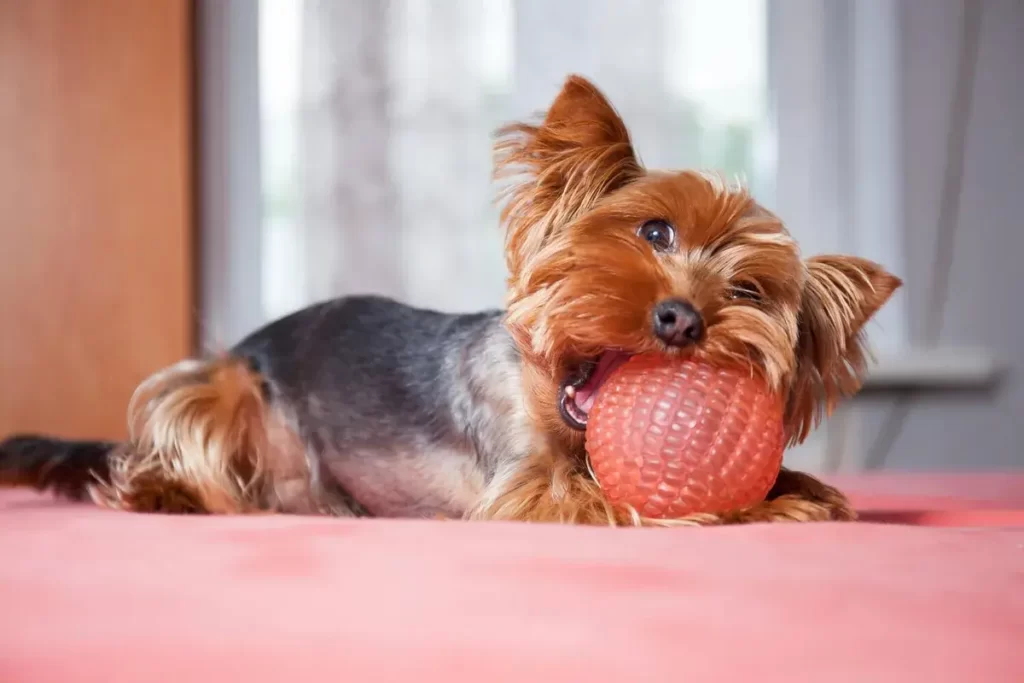
The best way to tackle separation anxiety is through gradual training. Start by leaving your Yorkie alone for short periods and then slowly increase the time. Always leave them with a toy or chew to keep them occupied.
I practiced this with Bonnie by stepping out of the room for just a few minutes at first. Over time, she grew comfortable with longer absences. Now, she can relax when I’m not home, which gives both of us peace of mind.
Making Training a Lifelong Practice
Training doesn’t stop once your Yorkie masters the basics. It should be a lifelong practice that keeps their mind sharp and their behavior polished. Regular refresher sessions help maintain what they’ve learned.
Adding new tricks or games also keeps training fun and engaging. Yorkies thrive on mental stimulation, so teaching them to spin, fetch, or even jump through hoops adds variety to the routine.
For Bonnie, training is now part of her daily life. We practice commands, try new tricks, and reinforce good habits. It keeps her happy, sharp, and well-behaved, which makes our bond even stronger.
Puppy Training Checklist for Yorkie Owners
- Start socialization early with positive experiences.
- Use a crate as a safe, comforting space.
- Follow a strict potty schedule with rewards.
- Teach essential commands like Sit, Stay, Come, and Down.
- Address barking behavior early with training and redirection.
- Practice leash training with a harness for safety.
- Rely on positive reinforcement, never punishment.
- Manage separation anxiety with gradual absences.
- Keep training consistent and lifelong.